Published on
From coral reefs to urban lakes: Insights from the field
Spending time in the field offers a perspective that no report or virtual meeting can replicate. As part of following the progress of the Nature Transformation Fund, I visited two of the projects we support in Indonesia and India. These visits are a crucial way to understand how our partners translate finance into tangible environmental outcomes and how local communities, ecosystems, and science come together in practice.
Jill Raval
Milkywire Nature Lead
Indonesia: A blended finance model supporting coral reef recovery
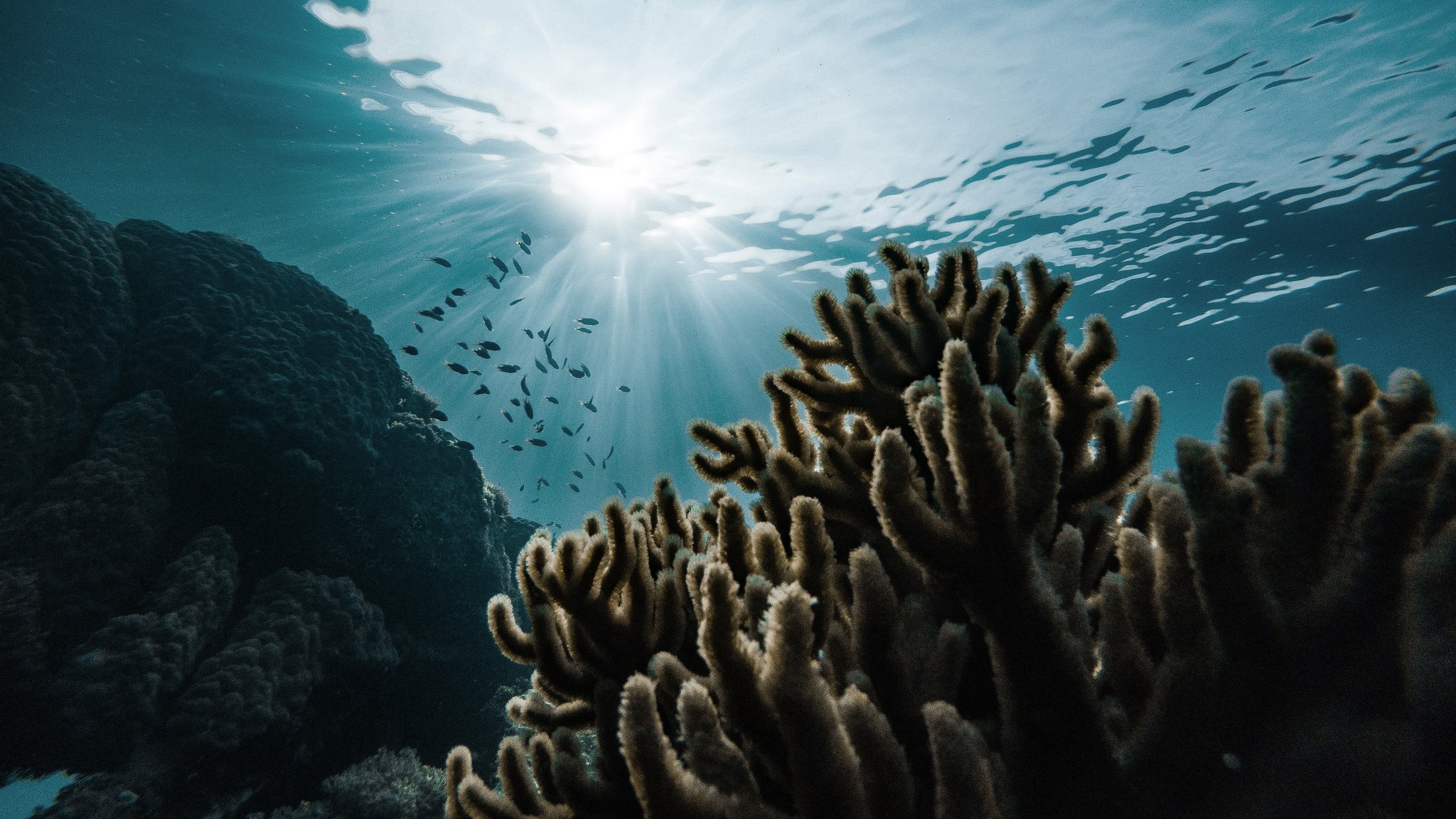
In Indonesia’s Central Sulawesi Province, I visited Blue Alliance. Here, we support an ambitious marine conservation program spanning 16 Marine Protected Areas covering more than 600,000 hectares, designed to strengthen both ecological and financial resilience for coastal communities.
Being out on the water with the Blue Alliance team, I got to see how this work is coming to life. At the core of this work is the Blended Finance Instrument, which blends grant capital with impact loans to prepare reef-positive businesses, such as ecotourism, sustainable fisheries, and community aquaculture, to become investment-ready. This model aims to create new income opportunities for around 13,000 community members, ensuring that conservation outcomes are tied directly to improved livelihoods.
On the ground, this integrated approach is already visible. Community-led sea cucumber aquaculture pilots are being tested to diversify income streams. A low-impact ecotourism vessel operated by Nomad Archipelago is generating revenue that will feed back into MPA management. Reef recovery efforts use MARRS Reef Star structures to regenerate degraded sites.
Seeing these different pieces working together shows why this type of model matters. It brings restoration science, livelihood development, and innovative finance together to regenerate coral reefs while building long-term economic resilience.
India: Strengthening urban lake systems through science and planning
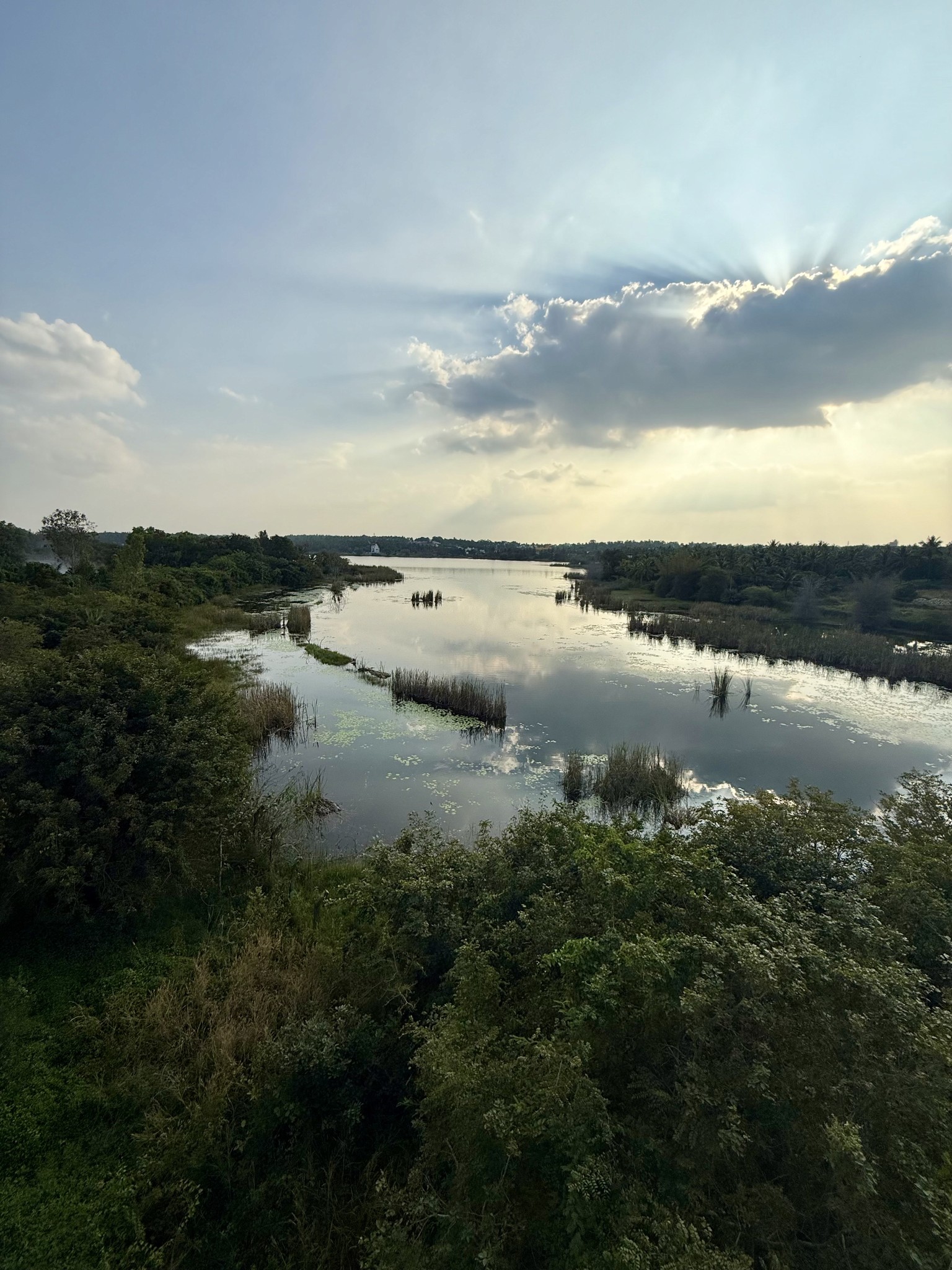
From marine ecosystems to freshwater systems, my next visit took me to Bengaluru, where we support a pilot project by the Indian Institute for Human Settlements (IIHS). The team is developing a science-driven model for restoring the city’s interconnected urban lakes, which are facing increasing pressures from waste pollution, changing land use, and rapid real estate development.
The IIHS team is taking an ecosystem-first approach, generating the evidence needed to guide long-term restoration and planning. They are mapping blue–green spaces, piloting constructed wetlands to improve water quality, and assessing lake health through freshwater macroinvertebrates and acoustic sensors that detect key insect species without disturbing them.
Walking around the site, you quickly notice that the new IIHS campus sits within a remarkably rich ecological corridor. The team has recorded leopards, slender lorises, owlets, geckos, and more than 100 bird species living and moving through this landscape. It is an incredibly biodiverse area, and protecting it is central to the project. Alongside the ecological monitoring, the visit showed how IIHS is putting solutions in place, including decentralized wastewater treatment, catchment restoration pilots, and on-site greenhouse gas sampling. All of this contributes to a clear plan for healthier lakes and more resilient urban waterscapes.
The work underway is creating a replicable, evidence-based model that shows how science, planning, and community governance can come together to protect freshwater systems before degradation becomes irreversible.
A shared takeaway
Across both sites, one theme is clear: impact happens when science, communities, and finance align. Spending time with the teams offered a closer look at the daily work and the persistence behind it. It also highlighted the role that continued collaboration and committed financing play in supporting this progress and helping it translate into long-term impact.