Regenerative Textiles Initiative
Securing a regenerative future for textiles
The Regenerative Textiles Initiative accelerates the transition to regenerative materials by enabling access, supporting implementation, and guiding supply integration to scale their use across value chains.
Regenerative Textiles Initiative
Securing a regenerative future for textiles
The Regenerative Textiles Initiative accelerates the transition to regenerative materials by enabling access, supporting implementation, and guiding supply integration to scale their use across value chains.
We work with apparel companies to turn regenerative commitments into results. Offering advisory services, investment opportunities, and support to embed regenerative materials across products and supply chains, spanning three key materials.
We work with apparel companies to turn regenerative commitments into results. Offering advisory services, investment opportunities, and support to embed regenerative materials across products and supply chains, spanning three key materials.
01 /
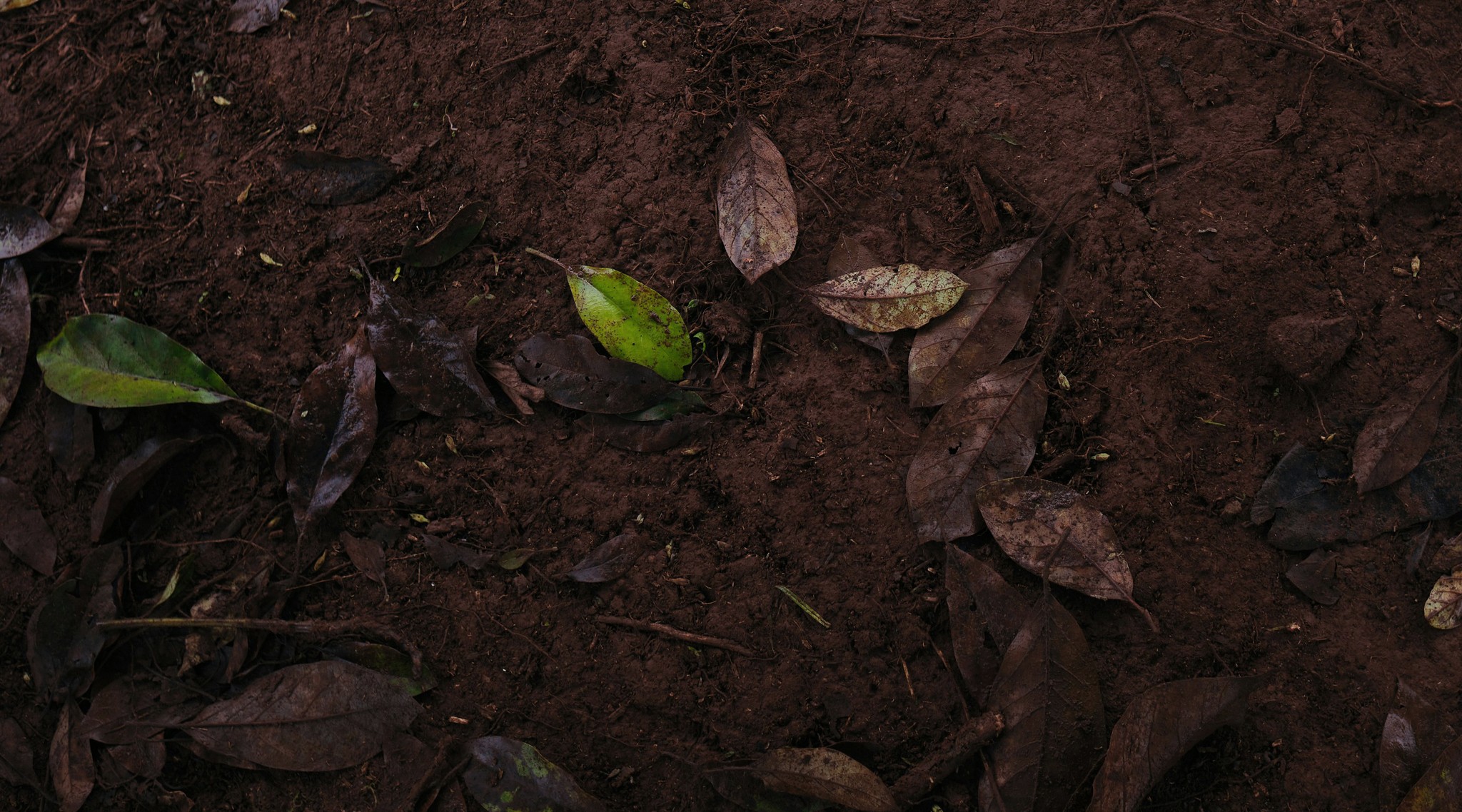
Regenerative cotton

02 /
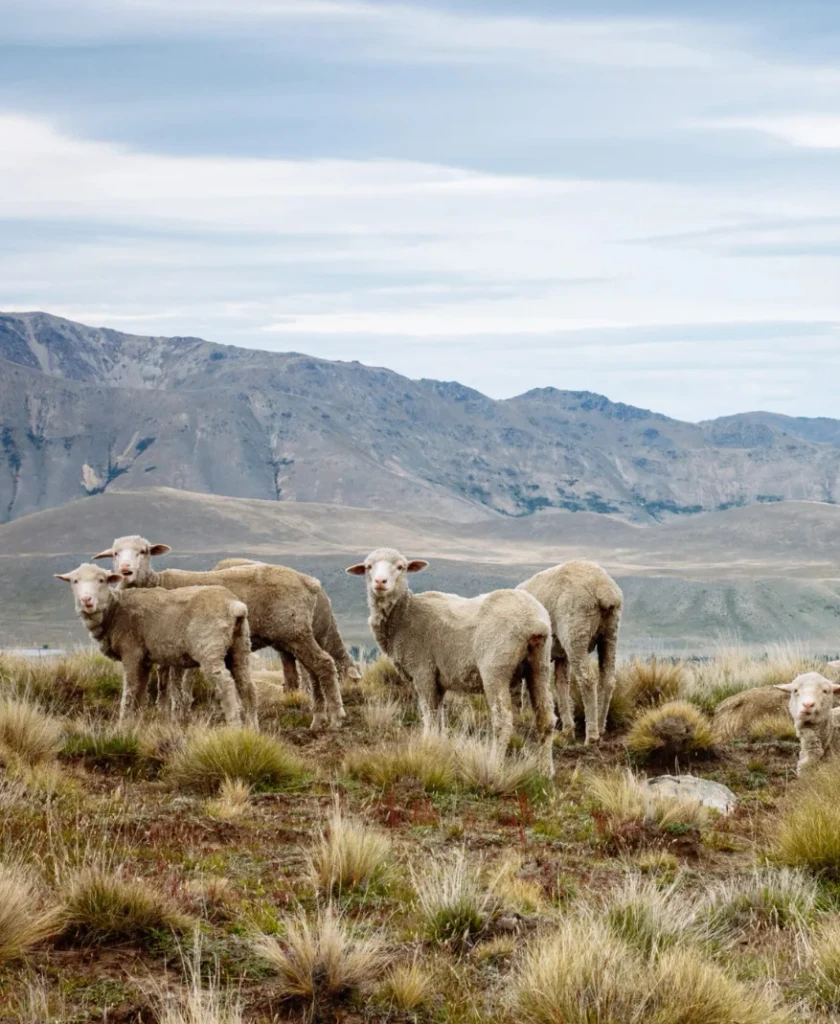
Regenerative wool
03 /
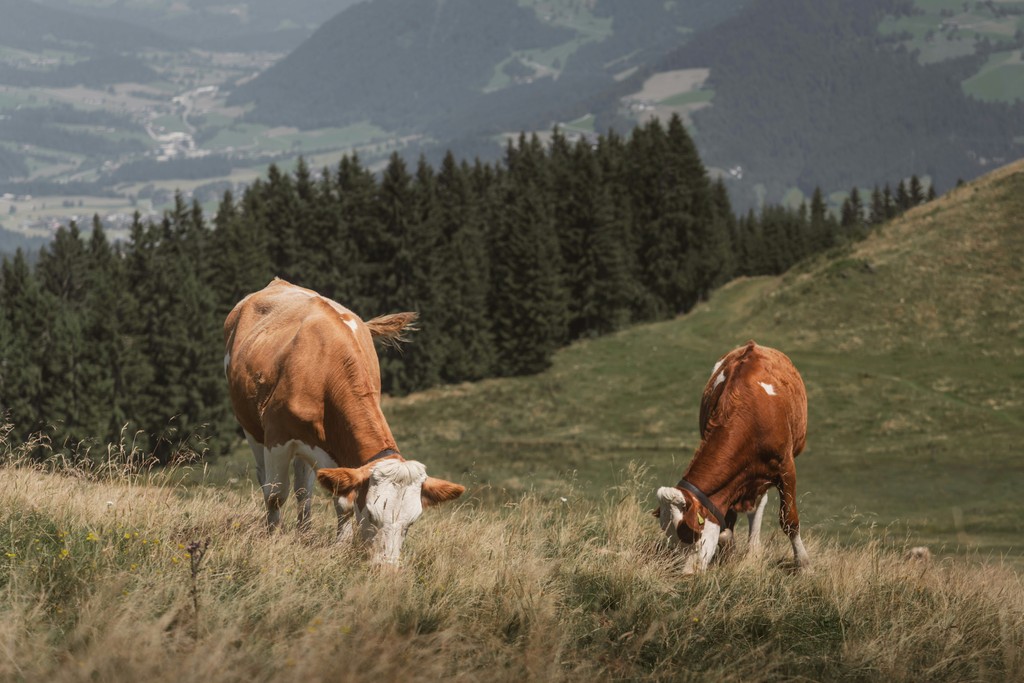
Regenerative leather
01 /
Regenerative cotton
02 /
Regenerative wool
03 /
Regenerative leather

Framework
Why regenerative agriculture?
Resilient supply chains depend on healthy ecosystems
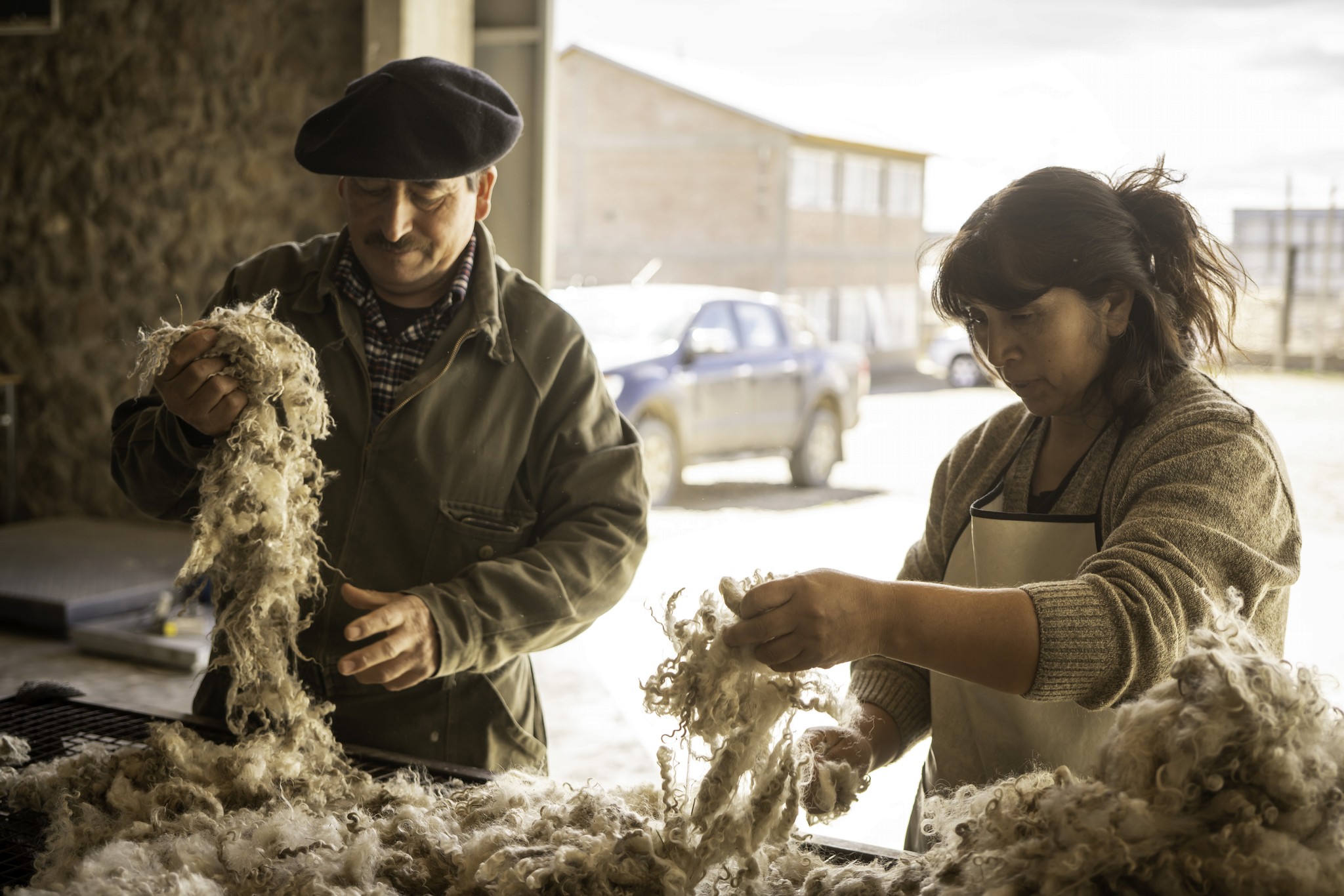
Fashion relies on nature. Cotton, wool, leather, all these materials come from living landscapes that are increasingly degraded by climate shocks, soil depletion, and biodiversity loss. Without healthy ecosystems, long-term access to high-quality natural materials is at risk. Regenerative agriculture offers a solution. Rather than doing less harm, it actively restores soil health, strengthens biodiversity, and improves ecosystem function. It is outcome-based, rooted in both science and traditional knowledge, and essential for building resilient supply chains in a changing world.
Resilient supply chains depend on healthy ecosystems
Fashion relies on nature. Cotton, wool, leather, all these materials come from living landscapes that are increasingly degraded by climate shocks, soil depletion, and biodiversity loss. Without healthy ecosystems, long-term access to high-quality natural materials is at risk. Regenerative agriculture offers a solution. Rather than doing less harm, it actively restores soil health, strengthens biodiversity, and improves ecosystem function. It is outcome-based, rooted in both science and traditional knowledge, and essential for building resilient supply chains in a changing world.
Our approach
Supporting the implementation of regenerative materials
With deep expertise, a vetted project portfolio, and hands-on advisory, we guide companies through every step of adopting regenerative materials from strategy to sourcing.
Our approach
Supporting the implementation of regenerative materials
With deep expertise, a vetted project portfolio, and hands-on advisory, we guide companies through every step of adopting regenerative materials from strategy to sourcing.
01 /
Sourcing strategy
We support internal alignment and strategic decision-making through value chain assessments, capacity-building sessions, and tailored guidance. Our goal is to help brands understand and navigate the regenerative landscape.
02 /
Materials portfolio
We connect brands with high-quality, vetted projects across cotton, wool, and leather. Each project is assessed for impact, feasibility, and alignment with brand goals, ensuring measurable outcomes for climate, biodiversity, and communities.
03 /
Material sourcing
We support brands in navigating questions around supply chain integration and provide insights into sourcing opportunities. Our work includes feasibility insights, supplier engagement, and aligning sourcing strategies with your sustainability goals.
04 /
Advisory services
Every brand’s journey is different. We offer tailored research, transition planning, and hands-on support for pilot projects, monitoring, and stakeholder engagement, designed to fit your timelines, supply chains, and sustainability priorities.
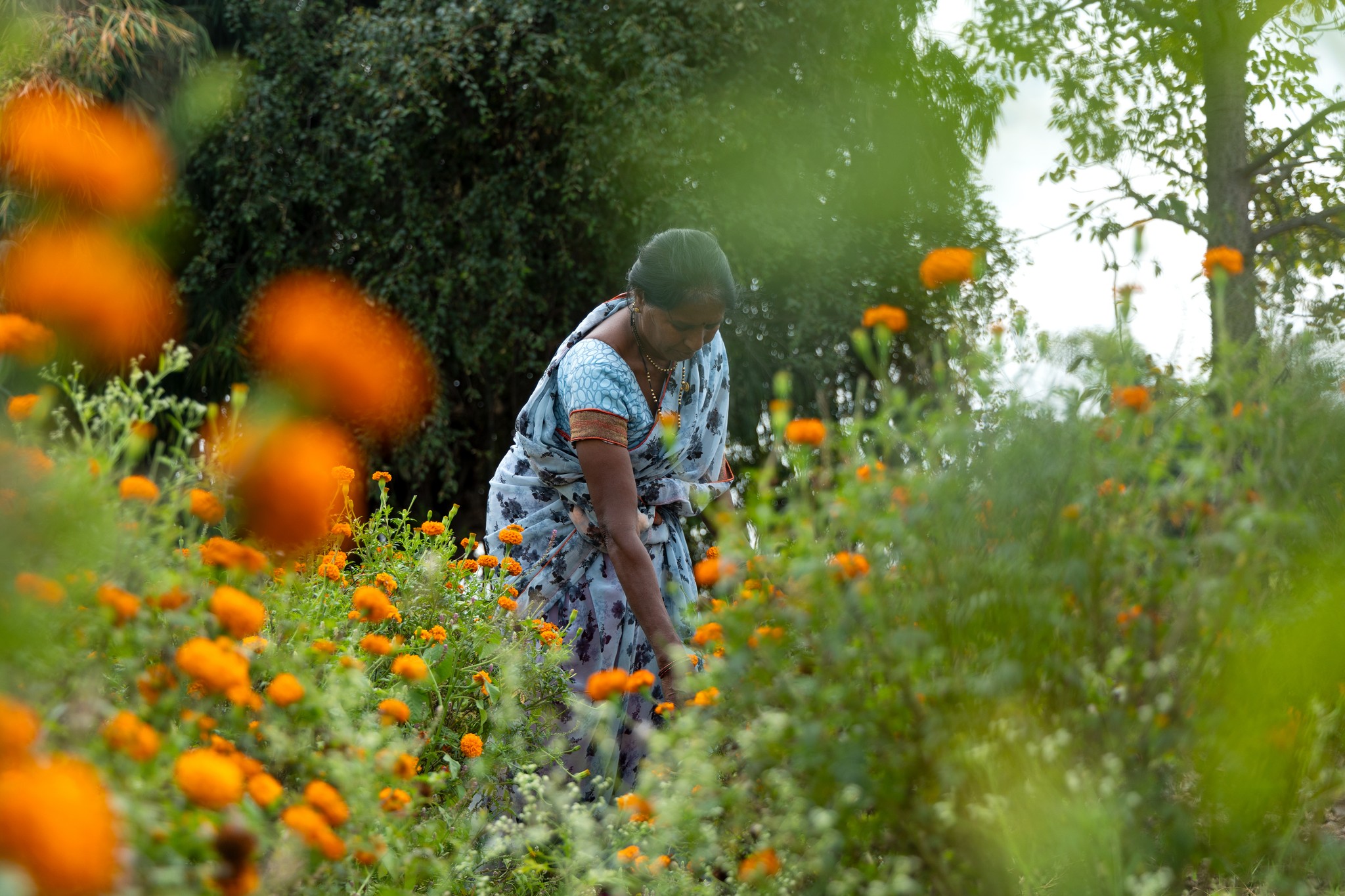
Material focus
The initiative supports projects across three core materials: cotton, wool, and leather.
Material focus
The initiative supports projects across three core materials: cotton, wool, and leather.
01 /
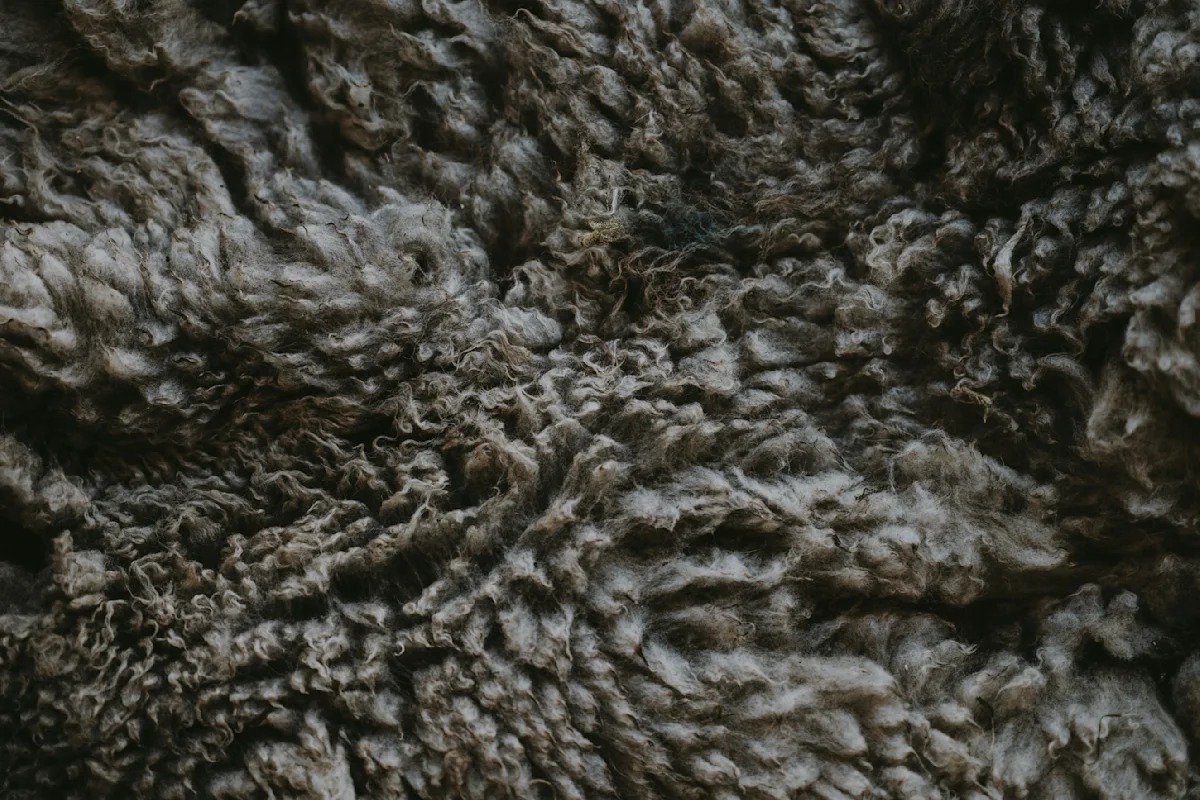
Regenerative wool
Through the Regenerative Textile Initiative, we aim to transition producers to regenerative wool and thereby increase the market availability of this nature-positive material. Our focus is on supporting producers that apply practices like rotational grazing, use minimal input, and integrate trees into pasture systems. We prioritize support for small-scale producers by investing in infrastructure, training, and monitoring efforts that uphold animal welfare and enhance land stewardship, ensuring that both people and ecosystems thrive.
02 /
Regenerative cotton

03 /
Regenerative leather
01 /
Regenerative wool
Through the Regenerative Textile Initiative, we aim to transition producers to regenerative wool and thereby increase the market availability of this nature-positive material. Our focus is on supporting producers that apply practices like rotational grazing, use minimal input, and integrate trees into pasture systems. We prioritize support for small-scale producers by investing in infrastructure, training, and monitoring efforts that uphold animal welfare and enhance land stewardship, ensuring that both people and ecosystems thrive.
02 /
Regenerative cotton
03 /
Regenerative leather
Our experts
Meet our initiative leads
We collaborate with a broad network of experts and maintain a robust portfolio management system to ensure high quality and scientific rigor. The portfolio is overseen by two main leads who work closely with a group of external advisors.
Our experts
Meet our initiative leads
We collaborate with a broad network of experts and maintain a robust portfolio management system to ensure high quality and scientific rigor. The portfolio is overseen by two main leads who work closely with a group of external advisors.

Jill Raval
Milkywire Nature Lead

Malin Lundahl
Senior partner manager & fashion sustainability strategist

Jill Raval
Milkywire Nature Lead
Malin Lundahl
Senior partner manager & fashion sustainability strategist
Meet our advisors
Meet our advisors
Hanna Denes
Textile Exchange, Monitoring, Evaluation, and Learning Strategy Lead

İpek Kurtoğlu Fırat
Acacia Futures, Strategic Advisor on Emissions, Impact and Sustainability Strategy

Nina Conrad
Sustainability Specialist Leather and Textile Supply Chains

Hanna Denes
Textile Exchange, Monitoring, Evaluation, and Learning Strategy Lead
İpek Kurtoğlu Fırat
Acacia Futures, Strategic Advisor on Emissions, Impact and Sustainability Strategy
Nina Conrad
Sustainability Specialist Leather and Textile Supply Chains
Featured Partner
A commitment to purpose-driven fashion
TOTEME is a strategic partner of the Regenerative Textiles Initiative, helping bring projects to life through a shared vision of accelerating regenerative material production in the fashion industry. In alignment with their ambitious climate goals and commitment to purposeful design, TOTEME is taking steps to support industry impact at the source, starting with cotton and wool. By launching the Initiative together, we aim to inspire and onboard more brands looking to make meaningful, science-based contributions to a better textile future.

Featured Partner
A commitment to purpose-driven fashion
TOTEME is a strategic partner of the Regenerative Textiles Initiative, helping bring projects to life through a shared vision of accelerating regenerative material production in the fashion industry. In alignment with their ambitious climate goals and commitment to purposeful design, TOTEME is taking steps to support industry impact at the source, starting with cotton and wool. By launching the Initiative together, we aim to inspire and onboard more brands looking to make meaningful, science-based contributions to a better textile future.
Portfolio projects
Find out more about the projects in the portfolio
Portfolio projects
Find out more about the projects in the portfolio



We are here to help you take the next steps on your sustainability journey.


© Milkywire AB, 2026. All rights reserved. Mailbox 3306, 112 73 Stockholm, Sweden. All donations are handled by WRLD Foundation Sweden (registered with org ID No "802526 - 9328") and WRLD Foundation US (registered 501(c)(3) charity).
We are here to help you take the next steps on your sustainability journey.
© Milkywire AB, 2026. All rights reserved. Mailbox 3306, 112 73 Stockholm, Sweden. All donations are handled by WRLD Foundation Sweden (registered with org ID No "802526 - 9328") and WRLD Foundation US (registered 501(c)(3) charity).